Tag: bali

  • Eco-Friendly Bali Vacation Ideas for a Sustainable and Guilt-Free Island Getaway

    Eco-Friendly Bali Vacation Ideas for a Sustainable and Guilt-Free Island Getaway

    Alright, so you’re planning a trip to Bali and wanna make sure it’s a little kinder to the planet this time? Good move. Let’s talk eco-friendly Bali vacation ideas that actually work — not just the “skip plastic straws” kind of stuff (though yeah, that too). I’ve spent a good chunk of time bouncing between eco-lodges, yoga retreats, and beach cleanups across the island, and trust me — Bali’s pretty ahead of the curve when it comes to sustainability… if you know where to look.

    Why Eco-Friendly Travel in Bali Actually Matters

    You’ve probably noticed Bali’s been under the spotlight for both good and bad reasons — stunning beaches, rice terraces, volcanoes… and, well, trash. A few years back, I joined a beach cleanup in Canggu, and what I saw was eye-opening. Loads of plastic — bottles, food wrappers, you name it — all washed up on what should’ve been paradise. That was the moment I realized how much impact tourists have.

    Eco-travel in Bali isn’t just about feeling good about yourself. It genuinely helps local communities and the environment. Every small choice — like where you sleep, what you eat, or how you move around — has ripple effects. According to a study by the United Nations World Tourism Organization (UNWTO), sustainable tourism can cut local waste by nearly 30% and increase community-based income by more than 20%. That’s huge for places like Bali, where tourism fuels so much of the economy.
    So yeah, your decisions matter. Big time.

    Stay in Eco-Friendly Resorts and Sustainable Villas

    If you’re serious about sustainable travel, where you stay in Bali sets the tone for the whole trip. The island’s loaded with eco-resorts and boutique villas that go beyond greenwashing — they actually do the work.

    Take Bambu Indah in Ubud, for example. It’s this wild mix of luxury and sustainability. They built everything with bamboo and reclaimed wood, they grow their own organic veggies, and they even filter their pool with lava rocks instead of chlorine. The first time I stayed there, I half expected it to feel like camping, but nope — it’s straight-up luxury meets jungle living.

    If you’re more of a beach person, Mana Eco Retreat in Lombok (close enough to Bali for a quick hop) or The Asa Maia in Uluwatu are solid picks. They’re fully solar-powered, use composting systems, and support local artisans.

    And here’s something I learned the hard way: always double-check when a place calls itself “eco.” Some spots just slap that word on for marketing. Look for signs like:

    • Solar energy or natural ventilation
    • Locally sourced materials
    • Waste separation and composting
    • Partnerships with local communities

    If a villa or resort can explain their sustainability practices clearly, it’s usually legit.

    Eat Like a Local — and Go Plant-Based When You Can

    Eating is probably the easiest (and tastiest) way to travel sustainably in Bali. The island is bursting with plant-based cafes, organic farms, and zero-waste restaurants that make eating green actually fun.

    One of my favorite spots is The Shady Shack in Canggu — veggie burgers so good you’ll forget meat exists. Then there’s Alchemy in Ubud, Bali’s first 100% raw vegan café. I met a Balinese chef there who told me their produce comes from small family farms up in Tabanan. Supporting them not only keeps money in the community but reduces all the transportation emissions from imported goods.

    If you’re staying somewhere with a kitchen, hit up local markets like Pasar Ubud or Samadi Market in Canggu. Go early morning — that’s when the farmers bring in the freshest stuff. It’s not just cheaper; it’s also a small way to reduce plastic packaging. Most vendors are happy to put your veggies straight into a reusable tote.

    And about meat — you don’t need to go full vegan. But even swapping out a few meals for plant-based ones makes a difference. The World Resources Institute reported that reducing meat intake by just 20% per week can cut your carbon footprint more than skipping flights in a year. Wild, right?

    Move Around Without Wrecking the Planet

    Transportation in Bali is tricky. It’s easy to default to scooters or taxis, but there are cleaner options if you know where to look.

    First off — electric scooters are everywhere now. Grab or Gojek (the local Uber-type apps) both have e-bike options. I used one around Ubud for a week — zero fuel, no fumes, and it cost less than gas scooters. You’ll need to charge it overnight, but most eco-hotels have charging stations.

    If you’re traveling with friends, look into electric car rentals or shared shuttles. Some companies like Bluebird Electric run hybrid taxis, and they’re surprisingly affordable. I used one to get from Seminyak to Uluwatu, and it cost about the same as a regular cab.

    For short trips, just walk or cycle. Bali’s villages are actually better experienced on foot — especially places like Sidemen or Ubud, where you’ll pass by rice paddies, temples, and local artisans. You see more, you slow down, and it’s just… nicer.

    Also, if you’re hopping islands, go with slow boats instead of speedboats. Sure, they take longer, but they use way less fuel and cause less water pollution.

    Support Local, Sustainable Businesses

    I’ll be honest — Bali has a bit of a “tourist bubble” problem. Big foreign-owned businesses dominate some parts of the island, which means a lot of the money never reaches local families. Supporting local brands and artisans is one of the easiest ways to make your trip more ethical.

    Look for Balinese-owned warungs (small eateries), local clothing shops, or cooperatives. You’ll find beautiful batik clothing, handmade silver jewelry in Celuk Village, and bamboo straws or utensils at small markets.

    A cool place to check out is Zero Waste Bali, a refill store started by a local mom who wanted to cut down on plastic packaging. You can grab everything from shampoo bars to oats there — all plastic-free.

    Another one is Kopi Roasters Ubud, where they partner directly with farmers in Kintamani to produce organic coffee. The owner told me they pay nearly double the average rate so farmers can actually sustain their land long-term. You can feel that kind of difference in every sip.

    When you buy local, you’re not just getting souvenirs — you’re helping preserve crafts, traditions, and livelihoods. And let’s be honest, those handwoven sarongs and coconut bowls make way better memories than a “Made in China” magnet.

    Volunteer or Join a Conservation Project

    If you’ve got a bit of extra time, Bali’s full of meaningful volunteer opportunities that don’t feel like “voluntourism.”

    For starters, Trash Hero Bali organizes weekly beach cleanups across Sanur, Canggu, and Amed. I joined one last summer, and it was actually kinda fun — locals, expats, travelers, all pitching in together. They also educate kids about waste management, which makes the impact go further.

    If you’re into marine life, check out Coral Gardeners in Nusa Penida. They’re working to restore coral reefs damaged by tourism and climate change. You can help plant coral fragments and even “adopt” a reef.

    And for animal lovers, Bali Animal Welfare Association (BAWA) is always looking for volunteers to walk dogs, care for rescued animals, or support vaccination drives.

    Just make sure you’re working with reputable organizations — ones that are transparent about where donations go and how projects are managed.

    Read also: Lempuyang Gates of Heaven Bali

    Go Off the Beaten Path (Literally)

    Eco-friendly doesn’t mean boring — it just means being a bit more mindful of your choices. Bali’s busiest spots like Seminyak and Kuta are fun, but the real beauty’s in the lesser-touched areas.

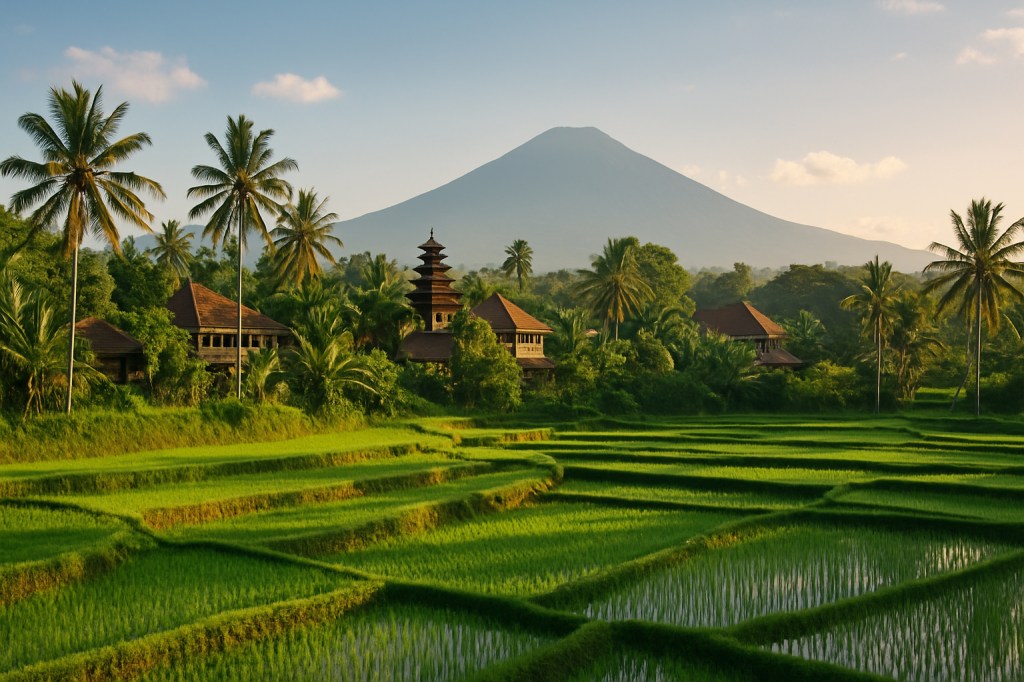
    Try heading up to Sidemen Valley — lush rice terraces, mountain views, and hardly any crowds. Most of the homestays there are family-run and built with sustainable materials. You’ll eat home-cooked meals made with ingredients grown in their backyard.

    Or visit Pemuteran in the north. It’s a tiny coastal village known for its coral restoration projects. Snorkeling there, you’ll actually see the difference — reefs teeming with life. The locals take conservation seriously, and you can feel that pride everywhere.

    Even Munduk, with its waterfalls and coffee plantations, has started embracing eco-tourism. They’ve banned single-use plastics in most cafes, and some trekking companies donate part of their fees to reforestation projects.

    By venturing beyond the south, you’re helping balance out tourism’s footprint. Plus, you get quieter beaches, better prices, and genuine connections with locals. Win-win.

    Embrace Slow Travel — Stay Longer, Do Less

    This might sound counterintuitive, but the best way to make your Bali trip more eco-friendly? Stay longer.

    Short stays with lots of flights or transfers add up fast. If you can, base yourself in one area for a few weeks instead of hopping around every few days. You’ll cut down on transport emissions and actually get to know the place.

    When I stayed in Ubud for a month, I ended up joining local yoga classes, learning to cook Balinese dishes, and even helping out at a permaculture farm. Those experiences stick way longer than ticking off tourist spots.

    Slow travel also helps communities because you spend more time (and money) locally. You might get your veggies from the same farmer, rent from the same scooter guy, and start to feel like part of the neighborhood.

    And let’s be honest — Bali isn’t a place you can rush anyway. Between temple ceremonies, traffic, and the occasional power outage (yep, still happens), slow days are part of the rhythm here.

    Use Less Plastic (Because, Seriously, It’s Everywhere)

    Even though Bali banned single-use plastics in 2019, you’ll still see them around. The humid climate means plastic sticks to everything, and not all waste gets recycled properly.

    Start simple: bring a reusable water bottle and refill it. Most cafes and hotels have filtered water stations. I use a Grayl bottle — it filters tap water on the go, which is super handy for day trips.

    Carry a tote bag, reusable utensils, and a metal straw. I know it sounds basic, but you’d be surprised how often you’ll need them. Even little things like saying “no straw” in Bahasa (“tanpa sedotan”) goes a long way.

    And when you shop, avoid big supermarkets like Pepito or Frestive — they still wrap everything in plastic. Go to bulk or refill stores instead, like Zero Waste Bali or Bali Buda.

    According to Indonesia’s Ministry of Environment and Forestry, the country produces over 68 million tons of waste annually, with 15% being plastic. That’s insane. Every refill or reusable swap helps cut into that.

    Try Eco-Friendly Activities That Actually Give Back

    Bali’s famous for surfing, yoga, and diving — but there are plenty of green versions of those activities now.

    For surfing, check out Rip Curl School of Surf in Sanur — they run ocean awareness programs and use biodegradable wax. Or Odysseys Surf School in Kuta, which partners with local groups for monthly beach cleanups.

    Yoga lovers should look into Yoga Barn in Ubud or Serenity Eco Guesthouse in Canggu. Both focus on holistic, eco-conscious living — think organic gardens, compost toilets, and classes that incorporate mindfulness around sustainability.

    If you’re into adventure, try cycling tours through rice fields or hiking Mount Batur with local guides. Skip the big tour operators; local ones like Pinggan Sunrise Trekking put money straight back into their villages.

    And here’s a lesser-known one: eco-crafting workshops. There’s a cool studio in Ubud called Bali Eco Stay Art Studio where you can learn to make natural soaps, candles, and batik fabrics using local dyes. It’s creative, hands-on, and sustainable — plus, you get to bring something back that isn’t just another keychain.

    Respect the Culture — It’s Part of Being Eco-Friendly Too

    A big part of sustainability isn’t just about the environment — it’s about respecting local traditions and people.

    Balinese culture is deeply spiritual, and ceremonies are a massive part of daily life. So if you see a procession or a temple ceremony, step aside, dress modestly, and observe quietly. Simple gestures like that go a long way in showing respect.

    Also, avoid touching sacred statues or entering temples during ceremonies unless you’re invited. Always wear a sarong — you can borrow or buy one at the entrance.

    When you visit villages, don’t hand out money or candy to kids. It might seem kind, but it creates dependency. Instead, donate to a local school or organization.

    And remember — eco-friendly also means people-friendly. Be patient, kind, and mindful. Bali has a slower rhythm, and trying to rush it only frustrates everyone (including yourself).

    Make Your Bali Trip Carbon Neutral

    If you really want to go the extra mile, offset your carbon footprint. There are legit platforms like CoolEffect and Gold Standard that let you calculate and offset emissions from flights and accommodation.

    Or even better — contribute directly to local reforestation projects. The Bumi Sehat Foundation and Trees4Trees Bali plant native trees around deforested areas in northern Bali. Some hotels even include carbon offset donations in your booking fee.

    When I stayed at Green Village Bali, they gave me the option to plant a bamboo tree as part of my stay. I thought it was gimmicky at first, but then I actually saw how it helps stabilize soil near rivers — and provides materials for future builds.

    Offsetting won’t fix everything, but it’s a good step in the right direction.

    Small Changes Add Up — Seriously

    Every choice you make while traveling — where you eat, how you get around, what you buy — matters more than you think. It’s easy to feel like one traveler can’t do much, but that’s just not true.

    Over time, eco-conscious tourists shift demand. And in Bali, that’s already happening. Hotels are switching to solar, restaurants are ditching plastic, and even the local government’s been rolling out stricter waste laws.

    I’ve watched it change firsthand — from seeing plastic-filled rivers in 2016 to seeing composting bins in every café in 2025. There’s still a long way to go, but the energy here feels different now. More hopeful. More responsible.
    And that’s the whole point, right? Travel should make places better, not worse.
  • Visiting Lempuyang Gates of Heaven Bali: Sacred Temple Experience with Stunning Mount Agung Views

    Visiting Lempuyang Gates of Heaven Bali: Sacred Temple Experience with Stunning Mount Agung Views

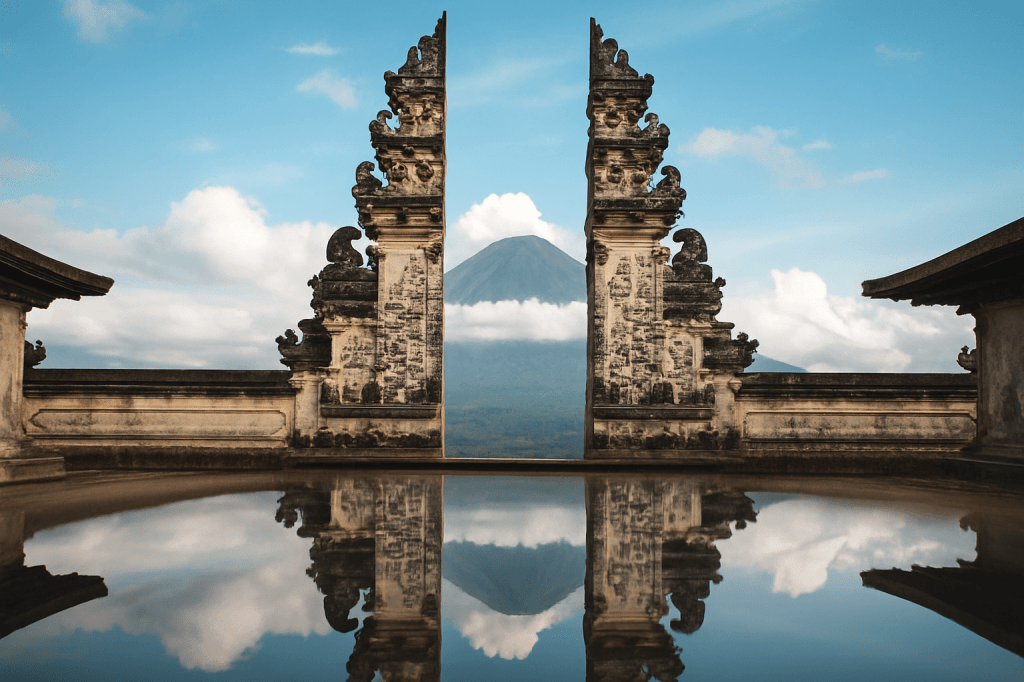
    If you’ve been daydreaming about Bali and scrolling through those jaw-dropping Instagram posts, chances are you’ve come across the iconic split gateway photo with Mount Agung perfectly framed in the middle. Yep, that’s the famous shot everyone talks about when visiting Lempuyang Gates of Heaven Bali. It’s one of those places where the hype is real, but also—let me be straight with you—there are some things people don’t tell you until you’re standing in line with 200 others trying to get “the shot.” I’ve been there, I’ve waited, I’ve sweated buckets, and I’ve learned a few things that I wish someone told me beforehand.

    So, let’s dig deep into everything—from logistics, costs, lines, etiquette, alternatives, and whether or not it actually lives up to the hype. Think of this less like a brochure and more like me sitting across from you at a coffee shop in Canggu, casually spilling the truth about this must-visit Balinese temple.

    Read also: Bali Coffee

    Why People Obsess Over Visiting Lempuyang Gates of Heaven Bali

    There’s no denying it—this place is ridiculously photogenic. The temple itself is known locally as Pura Lempuyang Luhur, and it’s one of the oldest and most sacred temples in Bali. The split gate is technically just the entrance, not the main temple, but because of its alignment with Mount Agung, it gives that surreal “heavenly” vibe.

    What makes it a big deal isn’t just the view. It’s the cultural importance. Balinese Hindus come here to pray, and the temple is part of the Sad Kahyangan Jagad, which are the six holiest places of worship on the island. Tourists tend to overlook that side because the photos dominate social media, but if you strip away the Instagram hype, this place has been deeply spiritual to locals for centuries.

    I’ll admit, I was one of those people lured by the famous mirrored water illusion photo (spoiler: it’s not real water—it’s a camera trick with glass held under the lens). But what surprised me was how peaceful the vibe felt once you stepped away from the photo line.
    There are more than 1,700 steps leading up into the mountain to reach the highest point of the temple complex. Most people skip the climb, but honestly, it’s one of the most rewarding parts if you’re willing to sweat it out.

    How to Get There Without Losing Your Mind

    Distance and Travel Time

    Lempuyang Temple is located in Karangasem Regency, on the eastern side of Bali. If you’re staying in popular areas like Ubud, Seminyak, or Canggu, expect a long ride—easily 2 to 3 hours depending on traffic. From Amed, it’s closer, about 40 minutes.

    Here’s what I learned: if you’re based in Ubud and thinking of doing a “day trip,” be ready for a solid 8–10 hours out of your day. Traffic can be brutal on Bali’s narrow roads, especially if you’re heading out in the morning when everyone else has the same idea.

    Best Way to Reach

    You’ve basically got two options:

    1. Hire a private driver – This is what most people do. Costs range from IDR 600,000–800,000 for the day (around $40–$55 USD). Worth it if you’re traveling in a group or couple because you can split the cost, and you won’t have to stress about navigating.
    2. Rent a scooter – Not for the faint of heart. It’s cheap (IDR 100,000/day or so), but the ride is long and exhausting, with winding mountain roads. I did it once on a scooter, and I’ll be honest, my back hated me the next day.

    If you’re the type who likes to optimize, pair it with stops at Tirta Gangga Water Palace or Tukad Cepung Waterfall so you’re not just traveling all that way for one stop.

    The Famous Photo Line: Here’s the Real Deal

    Okay, let’s talk about what 90% of tourists are here for—the photo at the split gate.

    When you arrive, you’ll be asked to register, borrow a sarong (mandatory, even for men), and then if you want the iconic photo, you get a number from the temple staff. They keep track, and when it’s your turn, they’ll call you up.

    Now, the wait can be wild. On my first trip, I got number 78 and ended up waiting nearly three hours. Locals working there have it down to a science—they’ll take your photo for you, and yes, they use the “mirror trick” with a piece of glass under the camera to make it look like there’s a perfect reflection of water.

    Was it worth waiting that long? Honestly, depends on your patience level. The picture came out amazing, sure, but three hours sitting around in the hot sun wasn’t exactly fun. I’ve met people who showed up at 6 AM and still had a one-hour wait. The only way to really avoid the queue is to go super early (like, sunrise early) or later in the afternoon, though by then the lighting isn’t as dreamy.

    And here’s something that blew my mind: despite being the “Gates of Heaven,” the temple staff will let you do goofy poses, jumps, yoga balances—pretty much anything short of being disrespectful. So yes, you’ll see tourists doing handstands at one of Bali’s holiest temples. Take that as you will.

    Costs and Entrance Fees

    A lot of travelers get confused about costs, so let me break it down:

    • Entrance to Lempuyang Temple: There’s technically no fixed fee, but there’s a donation system. Expect to pay around IDR 50,000 ($3–4 USD).
    • Parking: IDR 5,000–10,000 ($0.50–0.70 USD).
    • Shuttle Bus: In recent years, visitors aren’t allowed to drive all the way up to the temple parking. You’ll need to take a shuttle bus from the base, which costs about IDR 45,000 ($3 USD) return.
    • Photo: No extra charge, but you’re expected to tip the person who takes it (I gave IDR 20,000).

    So in total, budget about IDR 120,000–150,000 ($8–10 USD) per person for the whole experience.

    Dress Code and Etiquette (Don’t Skip This Part)

    Even if you’re only coming for the picture, remember this is a sacred Hindu temple. You’ll be required to wear a sarong, and shoulders should be covered.

    One thing I noticed is that many tourists treat it like a backdrop instead of a holy site. Please don’t climb on the temple structures or sit on altars (I saw this happen, and locals were visibly upset). Keep your voice down, especially when ceremonies are happening.

    Balinese culture is incredibly welcoming, but respect goes a long way. If you’re unsure about something, just watch what locals do and follow their lead.

    When’s the Best Time for Visiting Lempuyang Gates of Heaven Bali?

    Timing is everything here.

    • Sunrise (5:30–7 AM): The sky can be spectacular, with Mount Agung glowing in soft light. Downside: you’ll be waking up around 3 AM if coming from Ubud.
    • Morning (8–10 AM): Still nice lighting, but this is when lines start to pile up.
    • Afternoon (3–5 PM): Quieter crowd, but Mount Agung often gets covered in clouds by then.

    Personally, my favorite time wasn’t even the “perfect photo hour.” I went once at 2 PM, and though I couldn’t see the mountain clearly, the temple grounds were almost empty. It felt calm, and I got to actually walk around instead of spending most of the visit waiting in line.

    Beyond the Gates: Exploring the Full Temple Complex

    Here’s something most tourists don’t realize: the “Gates of Heaven” is just one part of a much larger temple complex.

    There are actually seven different temples spread across the mountain, with the highest one at over 1,000 meters. Climbing all the steps takes around 2–3 hours, depending on your fitness. Along the way, you’ll pass shrines, moss-covered stone carvings, and get amazing panoramic views of East Bali.

    According to Indonesia’s Ministry of Tourism and Creative Economy, the temple is not only a major spiritual site but also part of Bali’s efforts to preserve cultural tourism. This means they actively encourage visitors to explore respectfully beyond just the Instagram spot.

    I’ve done the full hike once, and while it was sweaty, it was also one of the most authentic experiences I’ve had on the island. There were barely any other tourists, just locals coming to pray. If you’ve got time and stamina, don’t skip this.

    Common Mistakes People Make

    After watching tourists here for hours (trust me, when you’re waiting in line, people-watching becomes a sport), I noticed a few things travelers often get wrong:

    • Showing up late morning thinking it’ll be quick. Nope, you’ll wait the longest then.
    • Dressing for Instagram, not the temple. Short skirts, low tops, or see-through dresses don’t go down well.
    • Forgetting cash. Cards aren’t accepted, and you’ll need small bills for donations, shuttle, and tips.
    • Getting cranky in line. The wait is long. Bring snacks, water, maybe a book or music. Complaining won’t make it faster.

    Is Visiting Lempuyang Gates of Heaven Bali Worth It?

    This is the million-dollar question, right?

    If your goal is to tick off that iconic Instagram photo, yes, it’s worth it—but go prepared. It’s not as simple as showing up, snapping a pic, and leaving. It’s a commitment in time, energy, and patience.

    If you’re into culture and spirituality, then it’s absolutely worth it. The deeper you go into the temple complex, the more meaningful it feels. And even if Mount Agung is hiding behind clouds, the journey there shows you a side of Bali many people miss—the villages, rice terraces, and daily life far away from beach clubs.

    From my own experience, I’d say don’t expect perfection. Some days you won’t see the mountain. Some days the line will test your patience. But if you approach it with the mindset of being part of something bigger than just a photo, it’s a memory that sticks with you.

    Nearby Places to Add to Your Trip

    One of the best ways to make the long journey east worthwhile is to combine it with nearby attractions. Here are a few I recommend:

    • Tirta Gangga Water Palace – A stunning royal palace with koi ponds and fountains. Perfect stop on the way back.
    • Ujung Water Palace – Less crowded, similar vibe with old Dutch-Balinese architecture.
    • Amed – A quiet coastal village known for snorkeling and diving. Great overnight stay if you don’t want to rush back west.
    • Tukad Cepung Waterfall – One of the most magical waterfalls in Bali, with sunlight beaming through the cave opening.

    After spending time at Lempuyang, I realized the whole experience is less about a single photo and more about the journey itself. The long ride through Bali’s eastern countryside, the quiet moments at the temple while locals come to pray, and the mix of awe and exhaustion when you finally reach the top—it all blends into something way more memorable than just a snapshot.

    If you’re planning your trip, go in with patience and an open mind. Some days the clouds will hide Mount Agung, some days the wait will be longer than you hoped. But that’s part of traveling here—it teaches you to slow down, to soak in the culture, and to appreciate the beauty that isn’t always staged for a perfect picture.

    So whether you’re chasing that dreamy “Gates of Heaven” shot or just curious to explore one of Bali’s most sacred spots, make the trip your own. Pair it with other nearby places, bring a little extra time in your schedule, and remember why Balinese Hindus hold this temple in such high regard. Do that, and visiting Lempuyang won’t just be another thing ticked off a list—it’ll be one of those Bali memories that stays with you long after you’ve left the island.

  • Bali in March: Why March is a Great Time to Visit

    Bali in March: Why March is a Great Time to Visit

    Bali in March is an excellent choice for travelers seeking a more peaceful, budget-friendly, and authentic experience of the island. While many tourists flock to Bali during the peak months of July and August, Bali in March offers a different, slower pace that appeals to those who want to experience the island in a more relaxed atmosphere. While the month falls within the rainy season, the rain isn’t a constant hindrance to your plans, and the benefits of visiting during this quieter time outweigh the potential for occasional downpours.

    Read also: Bali in September

    March in Bali is a time when the weather starts to transition, with the end of the rainy season slowly approaching. It’s still wet, but it’s also warm and often much quieter than the high tourist seasons. This article will explore everything you need to know about Bali in March, including the weather, activities, advantages, and considerations, helping you plan the perfect trip to this beautiful Indonesian paradise.

    Understanding the Weather in Bali in March

    Bali is known for its tropical climate, and in March, it’s still within the rainy season. The rainy season in Bali typically lasts from October to April, with the wettest months usually being from December to February. So, when you’re visiting Bali in March, you’ll find that there are still quite a few showers, but they tend to be short bursts rather than prolonged rainstorms. Often, the rain comes in the late afternoon or evening, leaving the mornings clear and perfect for outdoor activities.

    During March, the average temperature in Bali hovers between 25°C to 30°C (77°F to 86°F), making it warm enough to enjoy beach activities, explore temples, and embark on adventurous hikes. However, with the humidity levels rising, it’s essential to stay hydrated and wear light clothing to keep comfortable. The frequent rain showers, although brief, do mean that you may need to be prepared for sudden weather changes, so having an umbrella or light raincoat can help.

    For those who are concerned about getting drenched, it’s worth noting that the rain is often intermittent. A few hours of rainfall could be followed by several hours of sunshine, offering ample time to enjoy outdoor adventures. So, don’t let the idea of rain put you off—Bali in March still offers plenty of opportunities for exploration, relaxation, and adventure.

    Top Activities and Attractions to Explore in Bali in March

    Despite the occasional rain, there’s still a multitude of exciting activities you can enjoy in Bali in March. Whether you’re an adventurer, a cultural enthusiast, or someone looking to unwind, the island has something for everyone.

    Beach Activities

    Bali is known for its stunning beaches, and March provides a perfect time to enjoy them with fewer crowds. Head to the beaches in Seminyak, Canggu, or Jimbaran Bay for the classic Bali beach experience. Surfers will find great conditions at Uluwatu or Padang Padang, where the surf is reliable even in the wet season. The short rains typically don’t impact beach activities, as they usually don’t last long enough to interrupt a day by the ocean.

    Additionally, consider visiting the Gili Islands, located just off Bali’s coast. These islands, famous for their clear waters and vibrant coral reefs, are ideal for snorkeling, diving, and beachside relaxation. March is perfect for diving enthusiasts because the waters are warm and the underwater visibility remains excellent.

    Cultural Experiences

    Bali is home to many sacred temples and cultural sites, making it the perfect place for travelers looking to explore the island’s rich history and spirituality. Don’t miss the Sacred Monkey Forest Sanctuary in Ubud or Tegallalang Rice Terrace, where you can experience traditional Balinese farming and scenic landscapes. While the rain might make walking around some of these sites a little wet, the serenity and beauty of these places remain unaffected.

    March is also an excellent time to experience Bali’s cultural festivals. The island celebrates Nyepi, the Balinese Day of Silence, around March (the exact date varies depending on the lunar calendar). During Nyepi, the island comes to a standstill as locals observe a day of fasting, meditation, and self-reflection. This is a unique cultural experience, though travelers are required to stay inside their accommodations during the holiday. If you’re in Bali before Nyepi, be sure to witness the lively Ogoh-Ogoh parades, where locals create large, colorful effigies to represent evil spirits, which are then burned to bring in the new year.

    Adventure Activities

    Bali offers plenty of outdoor activities to get your adrenaline pumping, even in March. Mount Batur, an active volcano, is a popular trekking destination, and while the early mornings may be rainy, the weather typically clears up by the time you reach the summit. You’ll be treated to a breathtaking sunrise and an expansive view of the island below.

    For those seeking underwater adventures, Raja Ampat and Komodo are fantastic places to go diving. While Bali may not be directly in these areas, you can still access flights that take you to the neighboring islands, where you can see vibrant coral reefs and exotic marine life. March is ideal for these activities as the rainy season has not yet fully set in, and the water remains warm and inviting.

    Why March is an Attractive Time to Visit Bali

    The month of March presents several benefits that make it an appealing time to visit Bali. One of the biggest advantages is that Bali in March is less crowded than the peak seasons of July and August. This means that you can enjoy Bali’s popular attractions without the long lines and crowded streets that come with high-season tourism.

    Additionally, because it’s the tail end of the rainy season, you’ll find that accommodation prices are significantly lower than during the peak months. This makes March a great time for budget-conscious travelers who still want to experience all that Bali has to offer without spending a fortune. Flights may also be more affordable during this period, as demand tends to be lower.

    Lastly, Bali in March offers a more authentic experience. With fewer tourists around, you’ll get the chance to experience the island’s natural beauty and culture in a more laid-back, intimate setting. Whether you’re walking through the temples or enjoying a sunset on the beach, the quieter vibe makes for a more peaceful and reflective trip.

    Challenges of Bali in March

    Though there are many reasons to visit Bali in March, there are a few challenges to be aware of. The most significant concern for travelers is the weather. Although the rain doesn’t typically last long, the unpredictable nature of the showers can sometimes impact outdoor plans. If you’re planning on hiking or doing outdoor activities like a bike tour or walking tours, it’s a good idea to have a backup plan or a rain-friendly itinerary.

    Moreover, Bali in March still experiences some level of humidity, making it important to stay hydrated and take breaks from the sun. The days can be warm, so ensure you’re dressed appropriately and have sunscreen and hats to protect yourself from the sun.

    Practical Tips for Visiting Bali in March

    1. Pack Smart: Bring light clothing for daytime and layers for cooler evenings. Make sure to pack waterproof gear, like an umbrella or light rain jacket, to protect yourself during the occasional showers.
    2. Use Public Transport or Rent a Scooter: Bali’s traffic can be challenging, especially in areas like Kuta and Seminyak. Renting a scooter can be an effective way to navigate the island, but ensure you’re comfortable driving in Bali’s busy streets.
    3. Respect Local Customs: Remember to dress modestly when visiting temples and cultural sites. Wearing a sarong is often required, and it’s always respectful to cover your shoulders.

    Bali in March offers a unique and wonderful opportunity to explore the island without the crowds of the high season. From cultural festivals and breathtaking hikes to quiet beaches and wellness retreats, March is the perfect time to visit if you’re seeking a slower pace while still enjoying everything that makes Bali one of the world’s most magical destinations.

    Exploring Bali’s Unique Offerings in March

    If you’re looking for a different side of Bali, March is a perfect time to immerse yourself in the local culture and witness some of the island’s most sacred traditions. Bali is home to a rich spiritual history, and when you visit Bali in March, you’ll find plenty of opportunities to participate in local ceremonies, witness unique cultural practices, and discover the true heart of the island.

    Witnessing Bali’s Sacred Festivals

    March is a special time in Bali for spiritual practices, with Nyepi taking place toward the end of the month. The Balinese New Year, marked by Nyepi, is unlike any other celebration you’ll find in the world. This day of silence, which is determined by the Balinese lunar calendar, is a time for reflection, fasting, and meditation. On Nyepi, the entire island comes to a standstill. No flights are allowed to depart or land, and no activity is permitted on the streets.

    The day before Nyepi, there are vibrant Ogoh-Ogoh parades, where huge, colorful effigies are carried through the streets to represent evil spirits. These effigies are then burned in the evening, symbolizing the purification of the island and the banishment of bad spirits. If you happen to be in Bali before Nyepi, witnessing the Ogoh-Ogoh parade is a must-do experience, as it offers a rare glimpse into Bali’s rich spiritual traditions.

    If you’re seeking a quieter, more personal spiritual experience, March is a perfect time for you to visit the island’s temples. Uluwatu Temple, Tanah Lot, and Besakih Temple are among the island’s most revered spiritual spots. These temples offer peaceful retreats where you can meditate, reflect, and experience the quiet, sacred atmosphere of Bali away from the hustle and bustle of the more touristy areas.

    Bali’s Natural Beauty and Landscapes in March

    One of the most compelling reasons to visit Bali in March is the lush, green landscapes that the rainy season nurtures. Unlike the dry season, when many parts of Bali can become brown and arid, March brings out Bali’s natural beauty in full bloom. The rice terraces in Tegallalang and Jatiluwih are especially beautiful during this time, with their vibrant green hues offering a stunning contrast against the sky.

    The frequent rainfall ensures that Bali’s waterfalls are in full flow. Gitgit Waterfall, Sekumpul Waterfall, and Tegenungan Waterfall are particularly impressive in March, offering a refreshing and invigorating experience. Many visitors take the opportunity to visit these falls and enjoy a peaceful, rejuvenating swim under the water’s cool spray. Whether you’re trekking through dense jungle or simply sitting by the water’s edge, Bali in March provides the perfect backdrop to connect with nature.

    For those seeking more adventurous activities, March also offers an excellent opportunity for volcano trekking. Mount Batur, one of Bali’s active volcanoes, is a popular destination for trekkers. The rainy season means the crowds are smaller, so you can enjoy a sunrise trek without the usual congestion. The views from the top are breathtaking, offering sweeping vistas of the island, lake, and surrounding valleys.

    Where to Stay in Bali in March

    Accommodation in Bali offers something for every kind of traveler, and March brings a unique opportunity to enjoy more affordable stays. Since this is the off-peak season, you can find excellent deals on hotels, villas, and resorts in popular areas like Seminyak, Canggu, Ubud, and Nusa Dua.

    Luxury Resorts and Villas

    If you’re looking for luxury, Bali in March offers affordable rates at some of the island’s best resorts. Consider staying at one of the beachfront resorts in Nusa Dua or Jimbaran where you can enjoy world-class amenities at a fraction of the peak-season prices. The lack of crowds allows you to experience Bali’s famous resorts in a more peaceful environment, with less competition for poolside lounges and spa treatments.

    Many luxury properties in Seminyak and Ubud offer stunning views of Bali’s picturesque landscapes. Whether you’re relaxing in a private villa overlooking terraced rice paddies or staying at an exclusive resort along the beach, Bali in March lets you enjoy a more serene and affordable luxury experience.

    Mid-Range Hotels and Eco-Lodges

    Bali’s eco-lodges and boutique hotels are a great option for those who want to experience nature and local culture without breaking the bank. Areas like Ubud, Sanur, and Sidemen offer eco-friendly accommodations, many with stunning views of Bali’s lush landscape. Staying at an eco-lodge can provide you with a more immersive experience of Bali’s unique environment, with the chance to practice sustainable tourism and engage in local farming or wellness activities.

    Budget-Friendly Hostels and Guesthouses

    If you’re traveling on a budget, March is an ideal time to stay in Bali’s affordable hostels or guesthouses. Canggu, Kuta, and Ubud have an abundance of budget-friendly options, many of which are close to the beach or local attractions. Hostels in Bali are not just a place to sleep; many feature communal spaces where you can meet other travelers, join yoga classes, and participate in local tours or activities.

    For a more authentic experience, consider staying in a homestay in rural Bali. These family-run accommodations allow you to interact directly with locals and experience traditional Balinese life up close. Whether you stay in a rural village or a traditional Balinese compound, this experience will leave you with lasting memories and a deeper understanding of Bali’s rich culture.

    Transportation Tips for Bali in March

    Bali’s public transportation system may not be as developed as in larger cities, but there are plenty of ways to get around the island. March offers a quieter time to navigate Bali’s roads, making it easier to get around without the usual tourist traffic.

    Renting a Scooter

    Renting a scooter is the most common way to explore Bali, especially in Canggu, Seminyak, and Ubud. It’s an affordable and convenient way to see the island at your own pace. Be sure to wear a helmet, drive cautiously, and ensure you have an international driver’s permit if required. The wet roads can be slippery, so it’s important to drive carefully during the rainy days.

    Taxis and Ride-Hailing Apps

    If you’re not comfortable with renting a scooter, taxis are widely available in Bali. For a more affordable and convenient option, Gojek and Grab (similar to Uber) are ride-hailing apps that operate in Bali. They are available in most areas of Bali and offer a safe and affordable way to get around.

    Private Drivers and Tours

    For a more luxurious or guided experience, hiring a private driver or booking a guided tour is a great way to explore Bali’s top sights. Many tour companies offer packages that take you to Bali’s temples, rice terraces, and volcanoes. Having a private driver allows you to explore at your own pace, without worrying about navigation or parking.

    Final Considerations for Visiting Bali in March

    Bali in March offers a unique opportunity to explore the island in a more peaceful and authentic way. The rainy season is not as much of a deterrent as many people think, and in fact, the occasional rain showers add to the island’s lush beauty and vibrant atmosphere. With fewer crowds, lower prices, and opportunities to experience local culture and festivals, Bali in March is an excellent choice for travelers looking for a relaxed yet rewarding vacation.

    Whether you’re seeking adventure, culture, relaxation, or wellness, Bali in March offers something for everyone. Pack light, bring a raincoat, and get ready to immerse yourself in the island’s incredible natural beauty, rich history, and welcoming hospitality. Bali’s charm is undeniable, and March just might be the perfect time to experience it.

  • What It’s Really Like Visiting Bali in September (from a Local Driver’s POV)

    What It’s Really Like Visiting Bali in September (from a Local Driver’s POV)

    Hey hey! So, you’re thinking about hitting up Bali in September, yeah? Good choice, my friend. Honestly, this month is one of my favorite times to drive travelers around the island. Not too hot, not too rainy, and the vibe? Chef’s kiss. As someone who’s been a private driver in Bali for more than 15 years (yeah, time flies), I’ve seen this place in all seasons—and I can tell you, September’s kind of a sweet spot.

    Whether you’re planning your first visit or coming back for round two, three, or seven (I’ve met a guy who’s been here 13 times—madness), I’ll break it all down. Weather, costs, what to pack, where to go, how crowded it gets, and a few random stories I’ve picked up while waiting for folks outside waterfalls and cafes. Sound good? Let’s go.

    The Weather in Bali in September – Why It Just Works

    You know how some months are either too rainy or too humid, and you feel like you’re swimming in your own sweat? Yeah, September isn’t like that.

    We’re just coming out of the dry season, but not quite dipping into wet yet. It’s like nature’s balancing act. Days are mostly sunny with a few clouds, and if it rains, it’s usually late afternoon or at night—kinda perfect for a nap or a massage.

    • Average temps are around 26–30°C (79–86°F)
    • Humidity? Manageable. You’re not melting, but you still feel like you’re in the tropics.
    • Sunrise & sunset: Expect the sun to rise around 6:15 AM and set by 6:15 PM. It doesn’t change much here.

    And honestly, the breeze along the coastline this time of year? Especially in Uluwatu or Sanur—it’s something else. I had a German couple tell me it reminded them of the Mediterranean but “with way better food.” No offense to Europe.

    I always tell people to bring sunscreen, even in September. Don’t let the breezy weather trick you—the sun will roast your shoulders if you’re not careful. I’ve seen more than a few beet-red tourists sipping coconut water and regretting everything.

    Is Bali Crowded in September?

    Not really. That’s one of the biggest reasons people love coming this month. The peak tourist wave from July and August has mellowed out. Aussies are back at work, kids are in school, and flights are a bit cheaper.

    You can actually enjoy places like Tegallalang Rice Terrace or Lempuyang Temple without spending 30 minutes lining up for a photo. Still some folks around, of course—it’s Bali, not a ghost town—but it’s a lot more chill. More space on the beaches, shorter waits at the good cafes (hello, Crate Cafe in Canggu), and easier bookings for villas and drivers. Like me.

    One American couple I drove last year kept saying, “Wow, we didn’t expect it to be this calm.” They’d come in July before and were kinda overwhelmed by the crowds. In September, they actually got to hear the waterfall at Tukad Cepung. Not just the TikTokers posing in front of it.

    Best Areas to Stay in Bali in September (Depends on What You Want)

    Alright, here’s where it gets interesting. Bali’s small, but every area’s got its own vibe. In September, the weather’s good everywhere, so where you stay really depends on your mood.

    Ubud – For Culture, Nature, and Slightly Cooler Temps

    If you wanna wake up to the sound of birds and not scooters, Ubud’s the move. September mornings are cool and misty, great for early hikes like Campuhan Ridge Walk or Mt. Batur sunrise trek. I once had a guest do the Batur hike barefoot (don’t do that) because they forgot their shoes in the car.

    Also, monkey activity in the Sacred Monkey Forest goes up when the weather’s nice. Just don’t bring snacks in your backpack unless you wanna get mugged by a long-tailed thief.

    Seminyak or Canggu – Beaches, Parties, and Trendy Eats

    This is where my younger crowd loves to be. Canggu especially is booming with digital nomads and surfers who pretend they’re working but are really just drinking coconut lattes at Dojo or BGS.

    Weather-wise, sunsets here in September are wild. The sky turns pink, then orange, then purple, and you start wondering if you’re in a painting. If you’re into photography, Batu Bolong Beach around 5:45 PM is the spot.

    Traffic can still get gnarly in these areas, though. I usually recommend renting a scooter if you’re confident (and have travel insurance). Otherwise, just chill—grab a driver for the day and let us deal with the madness.

    Uluwatu – Cliffs, Surf, and Serious Chill Vibes

    September in Uluwatu? Gold. The waves are still decent, and the evenings are breezy. I had a surfer from California tell me it was the best session he’d had in months.

    Even if you’re not surfing, the views from places like Single Fin or Karang Boma Cliff are insane this time of year. The air feels fresher down south, too. Maybe it’s psychological, but people always say they sleep better in Uluwatu.

    Prices in Bali in September – Cheaper Than You’d Think

    Let’s talk money. September’s what we call “shoulder season.” That means it ain’t peak, but it ain’t low season either. So prices? Pretty sweet.

    • Flights: Usually cheaper than July/August, especially mid-week ones.
    • Hotels & Villas: I’ve seen discounts around 20-30%. Boutique villas in Ubud that go for $150/night in August? Down to $100–110 in September.
    • Private Drivers (like yours truly): You’re looking at 600–800k IDR for a full day. That’s like $40–55 USD. And you get AC, music, and occasional snack stops if I like you.

    One guest booked a week-long stay at a cliff villa in Uluwatu and paid less than what his mate paid in Kuta during peak season. Same island, whole different experience. So yeah, do your homework and shop around. Agoda, Booking.com, or just DM the villa directly on Insta—sometimes that works too.

    What to Pack for Bali in September (You’ll Be Glad You Did)

    This part gets overlooked way too much. I’ve seen people pack like they’re going to Alaska. Don’t be that person.

    Here’s the deal:

    • You won’t need a jacket unless you’re doing Mount Batur or heading up to Bedugul early in the morning. It’s cool up there.
    • Bring a sarong (or buy one here). You’ll need it for temples. And it doubles as a towel/beach blanket.
    • Flip-flops are fine, but some solid walking shoes go a long way. Especially in Ubud where the sidewalks fight back.
    • Don’t forget bug spray. September’s not super buggy, but mosquitoes don’t need a reason.
    • Light rain jacket or poncho? Maybe. I’ve had days where it rained for 15 minutes and then cleared up like nothing happened.

    Oh, and bring cash in small bills. Not every warung takes cards, and you’ll need it for parking fees or toilet stops (2,000–5,000 IDR is normal). Trust me, nothing’s worse than needing to pee and only having a 100k note.

    What to Do in Bali in September (Let Me Give You Some Ideas)

    Alright, so what should you actually do while you’re here?

    Early Morning Temple Visits

    In September, mornings are cool and calm. Perfect for temple runs. I recommend starting at Tirta Empul—arrive before 8 AM, and you’ll beat the buses. If you’re spiritual or just curious, do the purification ritual in the holy spring. It’s powerful.

    I’ve had people cry after that one. No joke.

    Chasing Waterfalls

    Now’s a solid time to check out waterfalls. Sekumpul, Nungnung, and Tukad Cepung are all flowing nicely without being scary. Water’s clear, trails aren’t muddy yet, and there’s usually less waiting around for Instagrammers to get out of the way.

    Take your time. Some folks rush, but man, sitting by a waterfall with a kopi Bali? That’s healing.

    Rice Fields Are Lush

    If you’re into photography or just wanna see Bali’s green side, rice terraces are full of life in September. Tegallalang’s great, but if you want a more local vibe, go to Jatiluwih. Less crowd, same epic views.

    I had a guest from France say it felt like being in a Miyazaki movie. Couldn’t stop smiling.

    Beach Clubs & Chill Evenings

    Places like La Brisa, The Lawn, and Sundays Beach Club are still poppin’ but not packed to the brim. Book a daybed, order a fresh coconut, and do nothing. You earned it.

    Is It Safe to Travel to Bali in September?

    Short answer—yeah. Long answer—still yeah, but like anywhere, be smart.

    The dry season makes travel easier. Roads are in better shape, fewer landslides or flash floods like in December. Beaches are cleaner too—less debris washed up.

    I always remind guests to be cautious when swimming at beaches with strong currents. Ask locals if you’re unsure. And use Blue Bird app or local drivers, not just random taxis off the street. Some are okay, some… not so much.

    Bali’s safe, but just like back home—keep your stuff close, don’t flash cash, and watch your drink at bars.

    My Honest Take – Should You Visit Bali in September?

    Look, I could give you the polished tourism-board answer, but that’s not my style. I’ll tell you straight: Bali in September is legit. You get solid weather, fewer people, better prices, and a more relaxed vibe overall.

    As a driver who’s been through the chaos of peak season and the ghost town of low season, September is like that sweet middle child—easygoing and underrated.

    If you’re coming to Bali for the first time, you’ll see the best of it without the crowd stress. If you’re coming back, you’ll appreciate the extra space and mellow pace.

    And if you end up in my car, well, I’ve got good music, cold water, and probably a few weird stories from the road. Let’s go find you a waterfall.

    Unique Events and Local Happenings in Bali in September

    One thing I always tell my guests is—don’t just stick to the tourist trail. Especially in September, Bali’s got some real local flavor happening if you know where to look.

    So, there’s this ceremony called Tumpek Wayang, which sometimes lands in September. It’s a day that honors puppeteers and shadow puppet performances (wayang kulit), and if you’re in Ubud or Gianyar, you might catch a show in a village hall. I once had a Dutch family who randomly wandered into one during a temple visit—they said it was the best surprise of the trip.

    Another cool one is Bali International Film Festival (Balinale). It doesn’t always happen in September, but when it does, there’s screenings in places like Seminyak and Ubud, sometimes even outdoors. I drove a guest who was a film student, and he timed his whole trip around this event. Said it was crazy seeing indie films under the stars in Bali.

    You might also see ceremonies at sea temples, especially around Tanah Lot. If you’re lucky, you’ll get to see locals dressed in full ceremonial clothes walking down with offerings. One time I watched this from the parking lot with a group from Japan, and we ended up talking about Balinese culture for like two hours while eating grilled corn (jagung bakar) from a roadside stall. Sometimes, the best moments aren’t even planned.

    So yeah, September might not have the flashy festivals like Nyepi or Galungan, but it’s still rich in culture if you know where to look—or just ask your driver (wink wink).

    Food in Bali in September – What’s Fresh and Where to Eat

    Let’s talk food. Because come on, Bali’s not just temples and beaches—it’s a full-on flavor bomb. And in September? Everything feels a bit fresher. Maybe it’s the weather. Maybe it’s just psychological. But man, the fruit stalls are next level.

    I always pull over at this little stall in Tabanan that sells mangosteen, salak (snakefruit), and rambutan. September is peak season for all three. If you’ve never had snakefruit, just trust me—peel it and eat it like candy. Tangy, sweet, crunchy. I had a guy from Texas eat 15 in one go. Not recommended, but impressive.

    And if you’re vegan or vegetarian, September is solid. Places like Zest in Ubud or Shady Shack in Canggu are in full swing. Not too crowded, and the chefs have time to get creative. One guest told me the jackfruit tacos at Give Cafe changed their life. Dunno about life-changing, but they are damn good.

    Seafood? Head to Jimbaran for grilled fish on the beach. Weather’s great in September for evening dinners by the ocean, no jacket needed. I’ve had guests ask me to wait for three hours while they did “just one more cocktail.” No problem—just throw me some grilled squid and we’re square.

    Quick note: water spinach (we call it kangkung) is everywhere this time of year. Get it stir-fried with garlic and sambal. Cheap, tasty, and makes you feel like you’re doing something healthy between all those Bintangs.

    Getting Around Bali in September – It’s Easier Than You Think

    Alright, so you’ve booked your flight, got your villa sorted. Now what? How do you actually move around the island?

    First, let’s get this straight: public transport is basically non-existent here. You’ve got two main options—rent a scooter or hire a driver (like me).

    In September, the roads are dry, and traffic’s a bit better than August. That makes it a good time for confident riders to hop on a scooter. I say confident because Bali traffic has its own rhythm. If you’ve never ridden before, maybe skip it. I once had a girl from Canada ride into a rice field on day one. She was fine. Her pride? Not so much.

    For most people, hiring a private driver is way easier and actually affordable. You get door-to-door service, someone to help you with translations, local tips, and a solid playlist if you’re lucky. Most of us charge by the day, and you can customize the route. Waterfalls in the morning, beach club in the afternoon, late-night satay stop? No problem.

    Apps like Grab or Gojek also work well in the cities. But in rural spots like Munduk or Sidemen? Forget it. That’s where the local drivers come in handy.

    September’s also a good time for road trips across the island. I’ve taken guests on 3–4 day loops from Seminyak to Lovina, through Bedugul and back down to Ubud. The roads are green, skies are clear, and the rice fields are practically glowing. Just don’t try to cram too much into one day. Bali time is… different. Trust me.

    What You Probably Don’t Know About Bali in September

    Alright, now for the real talk—the stuff the brochures don’t tell you.

    Sunrise Hikes Are Better This Month

    September mornings are cool but not freezing. It’s the perfect time to climb Mount Batur or even go for a simpler sunrise walk like Pinggan Village viewpoint. Less mist, better photos, and fewer people elbowing you for a selfie.

    I remember driving a solo traveler from the UK who had never hiked a mountain before. She was scared, didn’t sleep the night before. But we left Ubud at 2 AM, made it in time, and when the sun rose over the crater? She cried. Not kidding. I even teared up a little, but blamed it on the wind.

    Beaches Are Cleaner and the Tides Are Mellow

    You wouldn’t believe the difference a month makes. After the August beach rush, the sands are cleaner, and the ocean’s calmer. Places like Padang Padang and Balangan are perfect for a swim or beginner surf session in September.

    And the local vendors aren’t as aggressive either. They’ve chilled out a bit after the high season, and it’s easier to have real conversations. I always encourage guests to chat with locals. Buy some corn, ask about the waves, practice a few words of Bahasa. You’ll get smiles in return.

    Is Bali in September Good for Digital Nomads or Working Travelers?

    Totally. In fact, it might be one of the best months.

    The Wi-Fi is stable (unless you’re staying deep in the jungle), cafes are less crowded, and the weather makes it easier to stay productive without sweating through your shirt. I’ve had a few repeat guests who do their whole quarterly planning here—mornings in the villa, afternoons in Canggu cafes, and evenings at beach bars.

    One Australian guy I drove last year said he got more done in two weeks in Bali than two months back in Sydney. Probably because the food’s better and no one’s bothering you with meetings at 7 AM.

    Coworking spots like Dojo, Outpost, and Biliq have special deals in September too. If you’re staying for more than a week, ask about short-term passes. It’s cheaper than daily rates.

    And let’s not forget—visa runs are still a thing. September’s a good time to renew your 30-day tourist visa by hopping over to KL or Singapore and coming back. Cheaper flights and less stress.

    Should You Travel Solo to Bali in September?

    Short answer: yep. Longer answer: it might be the best month for it.

    Solo travelers tell me they love September because it’s social but not overwhelming. You’ll meet people at yoga classes, beach clubs, or even during shared tours—but you’ll also get enough space to recharge.

    Safety-wise, Bali’s still one of the safest places for solo travelers. Just be street-smart. Lock your stuff, don’t walk alone at 3 AM through alleys, and always let someone know your plans if you’re venturing out to lesser-known areas.

    A woman I drove last September said she felt safer walking alone in Ubud than in some cities back home. She even extended her trip because the vibe was that good.

    One Last Thing I’ll Say About Bali in September

    September’s kind of like that underrated band before they blow up. Still amazing, still yours to enjoy, but without all the noise.

    You’ll see Bali at its best—lush landscapes, good food, cool weather, and just the right amount of people. Whether you’re here for surfing, chilling, healing, working, or just escaping your 9-to-5 grind… this month has something for you.

    And if you need someone to drive you around, recommend warungs, or just share stories while stuck in traffic, well, you know where to find me. I’ll be the guy with snacks in the glovebox and reggae on the speakers.

Design a site like this with WordPress.com
Get started