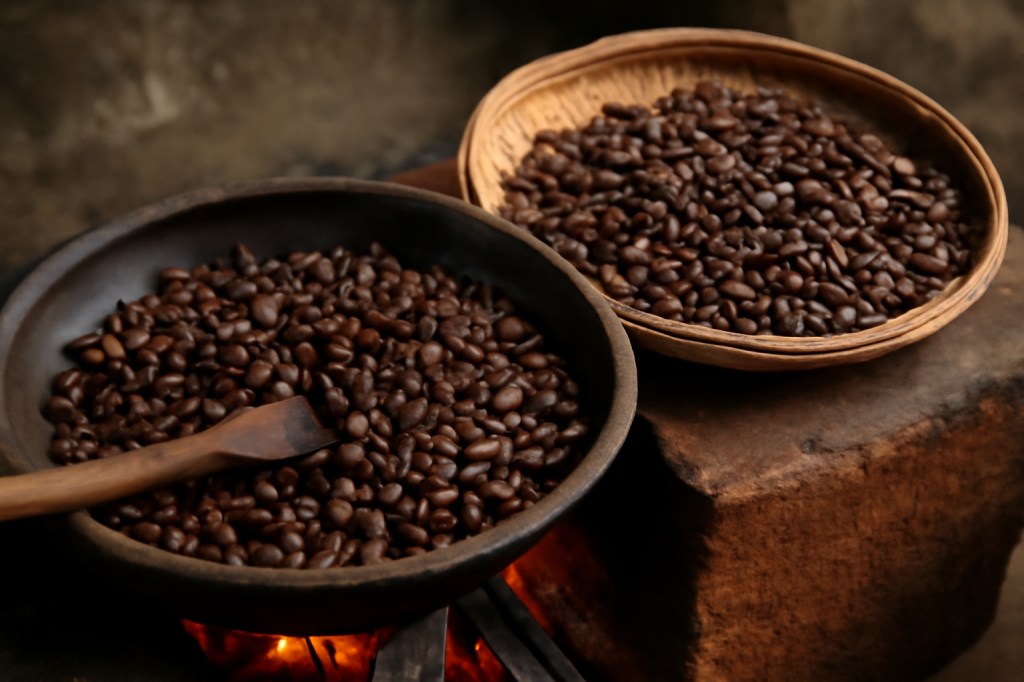
Bali coffee is not just a drink; it’s an experience, deeply rooted in the culture and landscape of the island. If you’re a coffee enthusiast or simply a curious traveler, Bali offers some of the most unique coffee varieties you’ll ever taste. From the aromatic Arabica grown in the highlands to the famous Luwak coffee made with the help of civet cats, Bali’s coffee scene is as rich and diverse as the island itself.
The coffee grown in Bali is much more than just a product—it’s a way of life. The volcanic soils, high-altitude landscapes, and tropical climate combine to create perfect growing conditions for coffee beans. Bali’s coffee-growing regions are well-known among coffee lovers, and visiting Bali offers the perfect chance to experience coffee culture like never before.
Read also: Bali in March
Types of Coffee Grown in Bali
Bali is home to two major types of coffee: Arabica and Robusta. Each has its distinct flavor profile, and Bali offers a wide variety of these beans, grown in different regions across the island. There’s also the famous Luwak Coffee (civet coffee), which, despite ethical concerns, continues to be a point of intrigue for many coffee lovers.
Arabica Coffee: The King of Bali Coffee
Arabica coffee beans are known for their smooth, complex flavor and low caffeine content. Grown in Bali’s highland regions, particularly around Kintamani, Arabica coffee takes on fruity and floral notes, with a subtle acidity that many coffee drinkers find appealing. Kintamani’s volcanic soils and cool climate create an ideal growing environment for Arabica beans, contributing to its delicate flavor profile.
Arabica coffee from Bali is often recognized for its mild, well-balanced taste, with hints of citrus, nuts, and even cocoa. Bali’s coffee plantations tend to harvest Arabica beans at higher altitudes, which enhances their fruity undertones and gives them a signature bright, crisp finish.
Robusta Coffee: Strong and Bold
Unlike Arabica, Robusta coffee beans are bolder and have a higher caffeine content. They’re often used in espresso blends or strong coffee drinks because of their rich, full-bodied flavor and distinct bitterness. In Bali, Robusta beans are cultivated in regions like Tabanan, known for its fertile volcanic soil and ideal growing conditions.
Robusta coffee from Bali tends to have earthy, woody, and sometimes chocolatey flavors. While not as popular among coffee connoisseurs as Arabica, Robusta is prized for its intense flavor and high caffeine content, making it a favorite for those who prefer their coffee strong and robust.
Luwak Coffee: The Infamous Civet Coffee
Perhaps the most famous type of coffee in Bali is Luwak Coffee, made using a unique process involving civet cats. These animals eat ripe coffee cherries, which then pass through their digestive systems. Afterward, the beans are collected, cleaned, and roasted to produce what is considered one of the rarest and most expensive coffees in the world.
Luwak coffee has a unique flavor profile due to the fermentation process in the civet’s stomach. The result is a smooth, mellow coffee with complex flavors—often described as earthy, sweet, and nutty, with a rich body and low acidity. Despite its popularity, there are ethical concerns surrounding the production of Luwak coffee, as many producers keep civets in captivity. It’s essential to be mindful of the ethical implications when purchasing this type of coffee.
The Coffee Regions of Bali
Bali’s coffee is primarily grown in three regions: Kintamani, Tabanan, and Buleleng. Each region contributes its unique flavor characteristics to the coffee grown there, thanks to differences in altitude, soil, and climate.
Kintamani: Bali’s Coffee Highlands
Located in the central part of the island, Kintamani is Bali’s most famous coffee-growing region. The highland area, with its cool temperatures and rich volcanic soil, produces some of the finest Arabica beans in Bali. Kintamani’s coffee is known for its smooth, balanced flavor, with fruity and floral notes, often reminiscent of citrus or apple.
Visitors to Kintamani can enjoy breathtaking views of Mount Batur while sipping freshly brewed coffee from local plantations. The area is also home to many coffee farms, offering tours where you can learn about the coffee-growing process from seed to cup.
Tabanan: Bold Flavors and Robusta Beans
Tabanan, located on the western side of Bali, is known for its rich volcanic soil, perfect for growing Robusta coffee. Robusta beans from Tabanan are known for their strong, full-bodied flavor and higher caffeine content, making them ideal for those who like a bold, intense coffee experience.
The Tabanan region is also home to traditional Balinese rice terraces, offering a picturesque backdrop for visitors who wish to explore coffee farms while enjoying Bali’s natural beauty. Coffee enthusiasts can visit farms here to sample the local Robusta brews, often accompanied by a side of traditional Balinese snacks.
Buleleng: The Cool Coffee Region
On the northern coast of Bali, Buleleng offers a cooler climate and fertile soil, making it another prime region for growing coffee. Buleleng’s coffee tends to be a mix of Arabica and Robusta, providing a rich and aromatic cup of coffee. This area is less frequented by tourists, making it a perfect destination for those who want to escape the crowds and explore Bali’s more off-the-beaten-path coffee farms.
How Bali Coffee is Processed
The traditional process of making Bali coffee involves both wet and dry methods. Wet processing (also known as washed coffee) is commonly used for Arabica beans, where the outer fruit is removed from the beans before they’re fermented and dried. This process highlights the coffee’s bright acidity and clean flavors.
Dry processing, on the other hand, is more commonly used for Robusta beans. In this method, the whole coffee cherry is dried with the beans inside, which gives the coffee a fuller, more earthy flavor.
The process of coffee preparation in Bali also often involves traditional roasting methods. Small family-owned roasters, known as kopi bali, roast coffee beans over wood fires, imparting a smoky flavor that enhances the beans’ natural sweetness.
Bali Coffee Culture: Savoring the Flavor
Coffee plays a central role in Balinese culture. Whether enjoyed at home or in one of the many trendy cafés around Bali, coffee is more than just a beverage; it’s an experience. Locals often drink coffee in the morning, accompanied by kue cubir (traditional Balinese cakes) or a light snack.
Coffee shops and cafés in Bali have exploded in popularity, with many offering locally grown beans roasted to perfection. Visitors can sample freshly brewed coffee while relaxing in Bali’s cozy café atmosphere, with many offering stunning views of rice terraces or beaches.
Bali’s coffee culture is also deeply intertwined with coffee tourism. Many coffee plantations offer guided tours, where visitors can learn about the coffee-growing process, from planting to harvesting. These tours often include tastings, allowing visitors to sample different varieties of coffee while enjoying the serene surroundings.
Sustainability and Ethical Practices in Bali Coffee
As demand for Bali coffee continues to grow, so does the importance of sustainability and ethical farming practices. Many coffee plantations in Bali have adopted organic farming methods, which involve using natural fertilizers and avoiding chemical pesticides. This approach not only helps protect Bali’s environment but also ensures that the coffee beans are of the highest quality.
However, there are concerns about the production of Luwak Coffee, particularly regarding the treatment of the civet cats used in its production. Many ethical coffee producers in Bali are moving towards more humane methods, such as allowing civets to roam free in their natural habitat, rather than keeping them in captivity.
When purchasing Bali coffee, it’s essential to choose products that adhere to ethical and sustainable standards. Many local coffee shops and plantations proudly display certifications for organic or fair-trade coffee, ensuring that consumers are supporting environmentally responsible and ethically produced coffee.
Where to Experience Bali Coffee
One of the best ways to truly immerse yourself in Bali’s coffee culture is by visiting the places where the magic happens. Whether you’re a coffee connoisseur or simply someone who enjoys a good cup, Bali offers a variety of experiences that highlight the island’s rich coffee heritage.
Coffee Plantation Tours
Bali’s coffee plantations are scattered across the island, and many of them offer guided tours where visitors can learn about the intricate process of growing, harvesting, and roasting coffee. Visiting a plantation provides a unique opportunity to not only see the coffee beans at different stages but also to interact with the farmers who have perfected their craft over generations.
In the Kintamani region, the fertile volcanic soil makes it an ideal area for coffee cultivation. A visit to one of the many coffee farms here will allow you to walk through the coffee fields, smell the rich aroma of freshly roasted beans, and sample various types of Bali coffee. Don’t miss the chance to try different brews, as many farms offer tastings where you can compare the distinct flavors of Arabica, Robusta, and even Luwak Coffee.
Aside from Kintamani, you can also find coffee farms in regions like Tabanan and Buleleng. These areas are less crowded and offer a more peaceful, authentic coffee experience. During the tours, you’ll get a deeper understanding of the unique cultivation methods used in Bali, and you may even be able to try your hand at picking coffee cherries or roasting beans.
Coffee Shops and Cafés in Bali
Bali’s vibrant café culture has grown exponentially in recent years, with coffee shops offering a variety of locally grown brews and international blends. Whether you’re in Seminyak, Canggu, Ubud, or Sanur, there’s always a cozy café where you can enjoy a cup of Bali’s finest coffee while soaking in the island’s laid-back atmosphere.
In Ubud, Bali’s cultural heart, you’ll find many trendy cafés serving artisanal coffee made from beans grown on nearby plantations. The cool climate of Ubud’s rice terraces makes it a perfect spot for enjoying a cup of Arabica or Robusta coffee while watching the world go by. Many cafés in Ubud also offer yoga retreats and wellness workshops, making it an ideal place to enjoy coffee while practicing mindfulness.
For a more contemporary experience, head to Canggu, where hipster cafés are known for their specialty coffee drinks, including lattes with unique flavors like turmeric or vanilla. These cafés often emphasize local and organic ingredients, and some even roast their beans onsite, ensuring you’re getting the freshest coffee possible.
If you’re in the Seminyak area, you’ll find a variety of upscale cafés serving Bali’s coffee in stylish settings, perfect for people-watching and enjoying the lively vibe of the area. Many of these cafés feature specialty brews, and some even offer coffee pairings with pastries and desserts.
Bali Coffee Tastings
For those who want to dive deep into the world of Bali coffee, a coffee tasting is an unmissable experience. Similar to wine tastings, a coffee tasting allows you to experience the various flavor profiles of Bali’s coffee beans, learning how subtle differences in processing methods, growing regions, and roasting can impact taste.
Coffee tastings are offered at various plantations and cafés across Bali, where you can sample several different coffees, including single-origin brews from the island’s different regions. Many coffee farms even pair their coffees with traditional Balinese snacks, giving you a true taste of Bali’s food culture.
During a coffee tasting, the process is explained from start to finish, from the coffee cherry being picked to the roasting method used to create the final brew. You’ll also learn how to properly taste coffee, identifying notes like citrus, chocolate, or spice. For a truly immersive experience, ask to visit a farm that grows both Arabica and Robusta beans, as you can directly compare the two types and develop an appreciation for the nuances that make each one unique.
How to Brew Bali Coffee at Home
Bringing a bit of Bali’s coffee culture into your own home is easy—and there are a few simple ways to brew the perfect cup. Whether you purchase whole beans from Bali or buy ground coffee locally, here’s how you can recreate a Bali coffee experience in your own kitchen.
French Press
The French press is one of the most popular brewing methods in Bali and is often used in coffee shops and local homes. This method allows the coffee grounds to steep in hot water, producing a rich and full-bodied brew. Here’s how to brew Bali coffee in a French press:
- Boil water and let it cool for about 30 seconds.
- Add 2 tablespoons of ground Bali coffee per cup into the French press.
- Pour in the hot water, making sure all the grounds are saturated.
- Stir gently and put the lid on the French press.
- Let it steep for about 4 minutes, then slowly press down the plunger.
- Pour into your cup and enjoy!
Pour-Over
For a more refined cup, the pour-over method allows you to control the brewing process and extract the full flavors of the coffee. Bali’s Arabica beans, in particular, respond beautifully to this method.
- Place a coffee filter in your pour-over cone and add the ground coffee.
- Slowly pour a small amount of hot water over the coffee to bloom it (let it sit for about 30 seconds).
- Gradually pour the rest of the water in small, circular motions.
- Allow the coffee to drip through the filter into your mug, and enjoy a clean, flavorful cup.
Espresso Machine
If you’re using an espresso machine, Bali’s coffee beans will work wonderfully to create an espresso shot with rich crema. Adjust the grind size to suit your machine’s needs, and experiment with the amount of coffee to get the perfect strength and flavor.
Purchasing Bali Coffee
There are plenty of ways to get your hands on authentic Bali coffee, whether you’re buying it in Bali or at home. Bali coffee can be purchased from local markets, specialty coffee shops, and plantations. Many coffee plantations across the island offer their coffee for sale, either in bulk or pre-packaged for tourists. You can purchase beans or ground coffee to take home, and some places even offer coffee gift packs that make great souvenirs for friends and family.
For those who want to enjoy Bali’s coffee after returning home, there are plenty of online retailers that offer Bali’s finest beans for sale. Many local coffee shops and businesses also sell Bali coffee beans or blends, giving you the chance to continue enjoying your favorite Bali coffee even after you leave the island.
Sustainability and Ethical Practices in Bali’s Coffee Industry
As Bali’s coffee industry grows, so does the focus on sustainability and ethical practices. Many coffee farms in Bali have shifted towards organic farming methods, reducing the use of chemicals and pesticides. This has helped to preserve Bali’s rich biodiversity while also ensuring a cleaner, higher-quality product.
However, not all coffee farming practices in Bali are entirely ethical, especially in the case of Luwak Coffee. The popularity of Luwak coffee has raised concerns about animal welfare, with some farms keeping civet cats in captivity. To address these issues, it’s important for consumers to support coffee producers that prioritize the humane treatment of animals and sustainable farming practices. Look for ethically sourced coffee or choose brands that are certified organic or fair trade to ensure your Bali coffee is responsibly produced.
 Bali Pride